Picture Credit: Valve
Valve has officially revealed a major hardware expansion, introducing Steam Frame, Steam Machine, and a brand-new Steam Controller. Together, these devices mark Valve’s most ambitious ecosystem push since the Steam Deck. Each product serves a unique role—Steam Frame for wireless PC-VR gaming, Steam Machine as a living-room console, and the new Steam Controller as a universal gamepad designed for seamless play across devices.
With the success of Steam Deck proving the strength of SteamOS, Valve’s latest lineup aims to bridge the gap between VR, console, and handheld gaming. These devices share a common goal: to give players complete access to their Steam libraries, anywhere and on any screen, without relying on Windows.
While full pricing details are still under wraps, early previews suggest an early 2026 launch window for all three. Let’s break down everything you need to know about Valve’s new hardware trio and how each fits into the company’s expanding vision for the future of gaming.
Steam Frame: Valve’s Next-Gen Wireless VR Headset
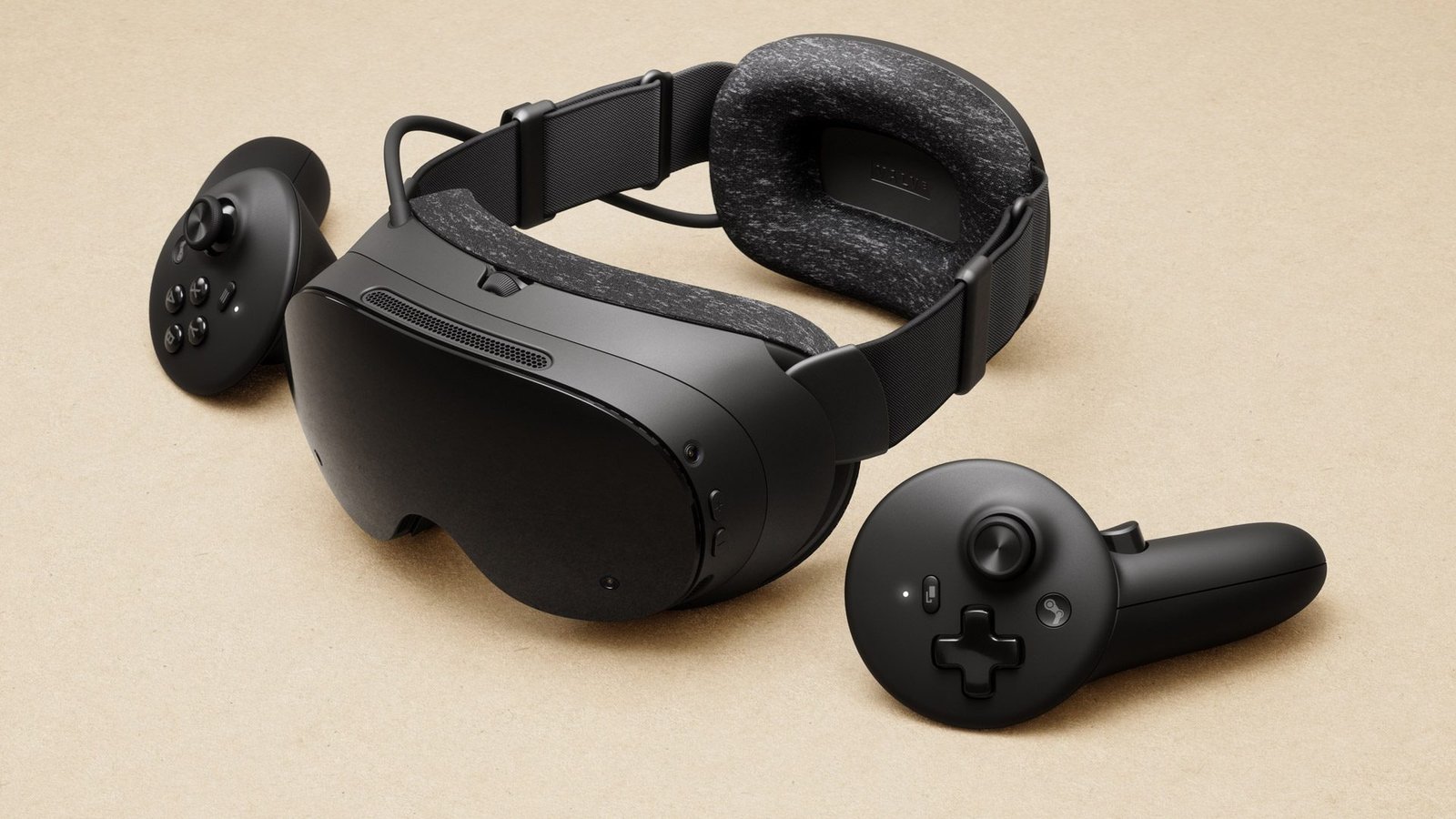
The Steam Frame VR headset is Valve’s biggest leap into virtual reality since the Index. Designed around wireless streaming and local play, it blends the flexibility of Steam Deck with the immersion of high-fidelity VR.
Key Features
- Wireless VR Streaming: Steam Frame uses a 6 GHz adapter to stream PC-VR and flat-screen games directly from your gaming rig with minimal latency.
- Standalone Mode: Built on SteamOS, it can run compatible games locally using an ARM-based compute core.
- Eye-Tracking & Foveated Streaming: The headset dynamically renders higher detail where you look, improving performance and visual quality.
- Comfort & Weight: Early demos report a lighter build than Valve Index (~440 g) with improved weight distribution and modular components.
Why It Matters
The Steam Frame targets both enthusiasts and newcomers, removing cables while keeping PC-grade performance intact. It also introduces “all-library” access, meaning you can stream your non-VR Steam games inside the headset’s theater mode—a first for Valve’s ecosystem.
Steam Machine: A True Living-Room SteamOS Console

Valve is also reviving its Steam Machine concept—this time done right. Instead of relying on third-party partners, Valve has built an in-house SteamOS console designed for the living room.
Key Features
- TV-Optimized SteamOS Interface: Designed for controller navigation and couch gaming.
- Performance Boost: Valve claims it delivers over six times the power of the Steam Deck, capable of running modern AAA titles at higher resolutions.
- Plug-and-Play Gaming: No Windows installation or driver setup needed—your Steam library runs natively through SteamOS.
- Seamless Sync: Save files, friends lists, and achievements remain consistent across Steam Frame, Deck, and desktop PCs.
Why It Matters
This new Steam Machine gives gamers a console-like experience with PC freedom. For those who prefer plug-and-play simplicity on the big screen, it might be the missing link between traditional consoles and gaming PCs.
Steam Controller 2: Precision, Comfort, and Steam Deck DNA
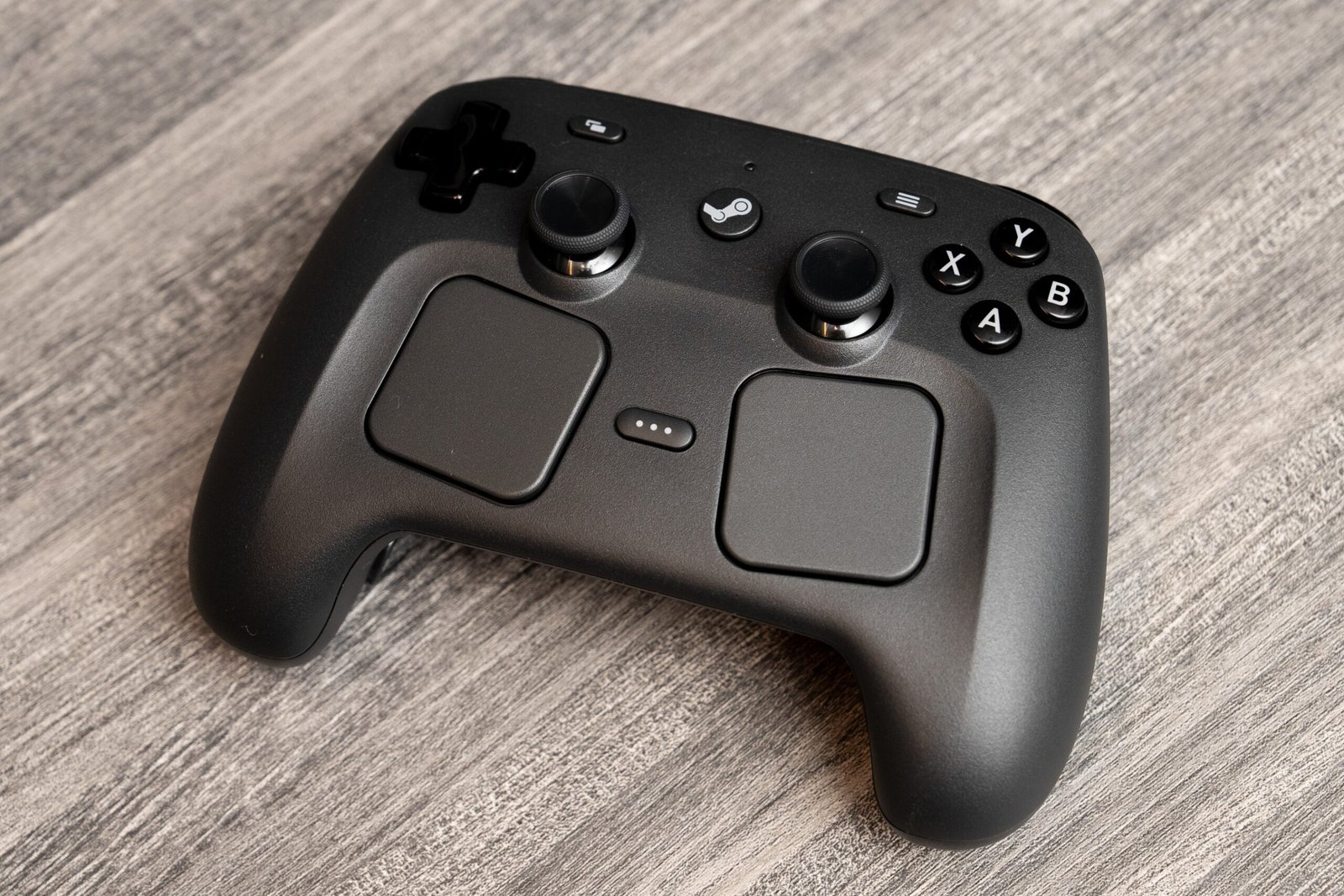
The new Steam Controller takes cues from both the Deck and the original 2015 controller, blending comfort with precision and deep Steam Input customization.
Key Features
- Modern Layout: Dual analog sticks, improved D-pad, four rear buttons, triggers, and dual touchpads for mouse-like precision.
- Low-Latency Adapter: Ships with a Bluetooth-enabled wireless puck that doubles as a charging dock and minimizes lag.
- Universal Compatibility: Works seamlessly across SteamOS devices—Steam Frame, Steam Machine, Deck, and even desktop PCs.
- Advanced Customization: Players can remap every input using Steam Input, allowing fine-tuned control across genres.
Why It Matters
Valve’s first controller was ahead of its time but too experimental. This redesign aims for mass-market appeal while retaining the signature touchpads that make mouse-based games playable from the couch.
The Unified SteamOS Ecosystem
The synergy between these three devices is what makes this announcement so significant.
- Steam Frame brings wireless VR and portable immersion.
- Steam Machine delivers console-style living-room performance.
- Steam Controller unifies control across every platform.
All three run on SteamOS, ensuring shared cloud saves, cross-device compatibility, and access to Valve’s full ecosystem. With these devices, Valve appears to be building a multi-platform Steam experience—one where your library, settings, and controls follow you wherever you play.
Launch Timeline and Pricing
Valve has not confirmed official pricing, but industry reports suggest the following estimates:
| Device | Expected Launch | Estimated Price (USD) | Notable Details |
|---|---|---|---|
| Steam Frame | Early 2026 | TBD (likely below Valve Index) | Wireless PC-VR headset with foveated streaming |
| Steam Machine | Early–Mid 2026 | TBD | Console-class SteamOS gaming system |
| Steam Controller 2 | Early 2026 | TBD (~$79–$99 range expected) | Bluetooth + haptic touchpads + dock |
Valve has stated that all three devices will launch globally, with regional availability (including India) to be detailed closer to release.
With the announcement of Steam Frame, Steam Machine, and a brand-new Steam Controller, Valve is positioning itself to redefine what “PC gaming” means. Instead of a single device, Valve is creating a connected ecosystem where hardware adapts to the player—whether you’re seated at your desk, lounging on your couch, or exploring a VR world wirelessly.
If Valve delivers on performance, pricing, and ease of use, this trio could become the most cohesive step forward in the company’s hardware journey since the Steam Deck. The future of SteamOS looks less like a single platform—and more like a unified gaming universe.
FAQs
What is Valve’s Steam Frame?
The Steam Frame is a standalone and wireless PC-VR headset developed by Valve, capable of streaming your Steam library and playing games locally via SteamOS.
Is the new Steam Machine different from the older one?
Yes. The 2026 Steam Machine is a first-party console powered by SteamOS, offering better performance, direct Steam library access, and no Windows dependency.
What’s new in the Steam Controller 2?
The second-generation Steam Controller features dual analog sticks, two touchpads, rear buttons, and a wireless low-latency dock for seamless cross-device gaming.
About The Author